
人工智能将彻底改变广播行业的视频制作流程
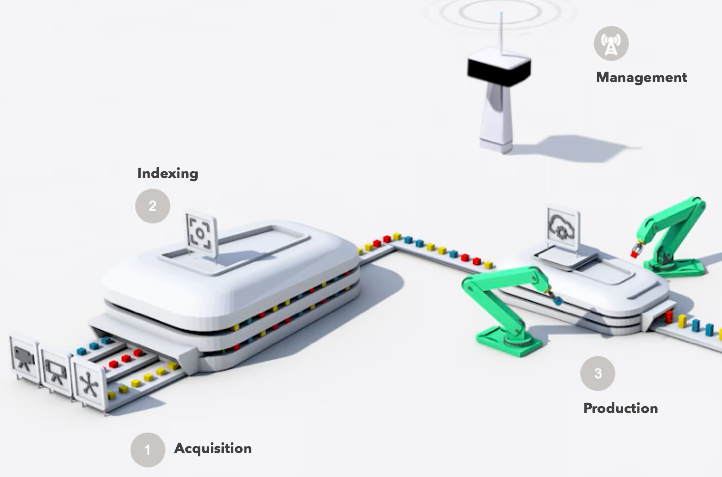
将人工智能算法应用到新闻制作过程中,可以帮助新闻制作工作室提高制作效率。通过人工智能驱动媒体供应链运作,媒体组织更高效的制作视频内容,提高费效比。
AI in Broadcasting Eases Human Workload
Today’s media supply chain is human-driven, and that’s a problem for an industry that’s continually being asked to produce more content, find greater efficiencies and reduce costs.
A case in point is editorial review in the TV newsroom. Last week, a massive explosion rocked Beirut. Estimates put the number of dead at 137, thousands were injured and tens of thousands were left homeless. The blast did extensive damage to the Port of Beirut.
Moments after the blast, footage of the explosion and its immediate aftermath began flooding into newsrooms around the world and onto the internet. Such a horrific occurrence, unfortunately, generates many horrific video images that require keen editorial judgment to decide what’s acceptable and what goes too far.
AI to Offer Editorial Suggestions
While most news managers would balk at the suggestion of AI making final editorial decisions about what footage to use or share and what to disregard, those same news managers—pressed by limited editorial resources—would welcome a little help.
Upstream of that final editorial decision, there’s ample room for artificial intelligence to assist in identifying the nature of the content in a clip—pre-qualifying it for consideration by a news manager or relegating it to the trash folder.
Intervening at this stage in the editorial process under the guidance of the editorial policies of individual news organizations enables newsrooms to operate more efficiently and actually elevate standards by making more time for news managers to make decisions.
Making It Happen
How might AI help? Imagine a news organization has an editorial policy against showing blood-soaked bodies on air. Artificial intelligence algorithms exist today to enable a machine to identify such frames.
Another news organization might face strict government regulations about what it can and can’t air. Perhaps, that organization must adhere to the government’s restriction against showing a police officer or soldier on the ground. Again, there is an AI algorithm that can identify that as well.
Yet another might be a news wire service offering video clips to client news organizations around the world. Maybe the wire service has an editorial policy of warning its clients about the content of certain violent clips.
Here again, a combination of AI algorithms can be used to determine whether or not the clip under consideration for distribution to clients indeed contains violence.
Modern Media Supply Chain
While these examples all apply to news, they could just as easily have been about other links in the modern media supply chain.
It’s easy to imagine some of these same AI algorithms being used to address compliance issues, such as a wardrobe malfunction. Or, the algorithms might be used as part of an AI-driven media supply chain to review user-submitted content to determine whether it’s appropriate, original and airworthy.
In another part of the media supply chain, data collected and run through an AI engine might help determine what video characteristics are motivating viewers to take action—whether it’s buying a product or choosing a candidate for office—or not.
Relying on AI to assist in these and many other areas of the media supply chain ultimately will transition the media supply chain away from being human-driven toward a model that is more responsive, efficient and productive.
Start a Discussion
For any information on this case or for any enquiries on the above products
We can help